


When the rain keeps falling and rivers start to swell, most communities instinctively look toward concrete: higher levees, bigger dams, wider drainage channels. But what if one of the most powerful flood defenses has been quietly working all along, soaking up stormwater like a sponge and releasing it slowly over time? Wetlands — marshes, swamps, bogs, and floodplains — are among nature’s most effective flood management systems, and the growing field of wetland restoration is proving that sometimes the best engineering solution isn’t engineered at all.
Across the United States and around the world, catastrophic flooding events are becoming more frequent and more severe. According to NOAA, the U.S. experienced 28 separate billion-dollar weather disasters in 2023 alone, many of them flood-related. As communities search for cost-effective, sustainable solutions, wetland restoration has moved from the fringes of environmental policy to the center of flood mitigation strategy. But can nature truly do the work? Let’s dig into the science, the success stories, and the honest limitations.
How Do Wetlands Control Floods?
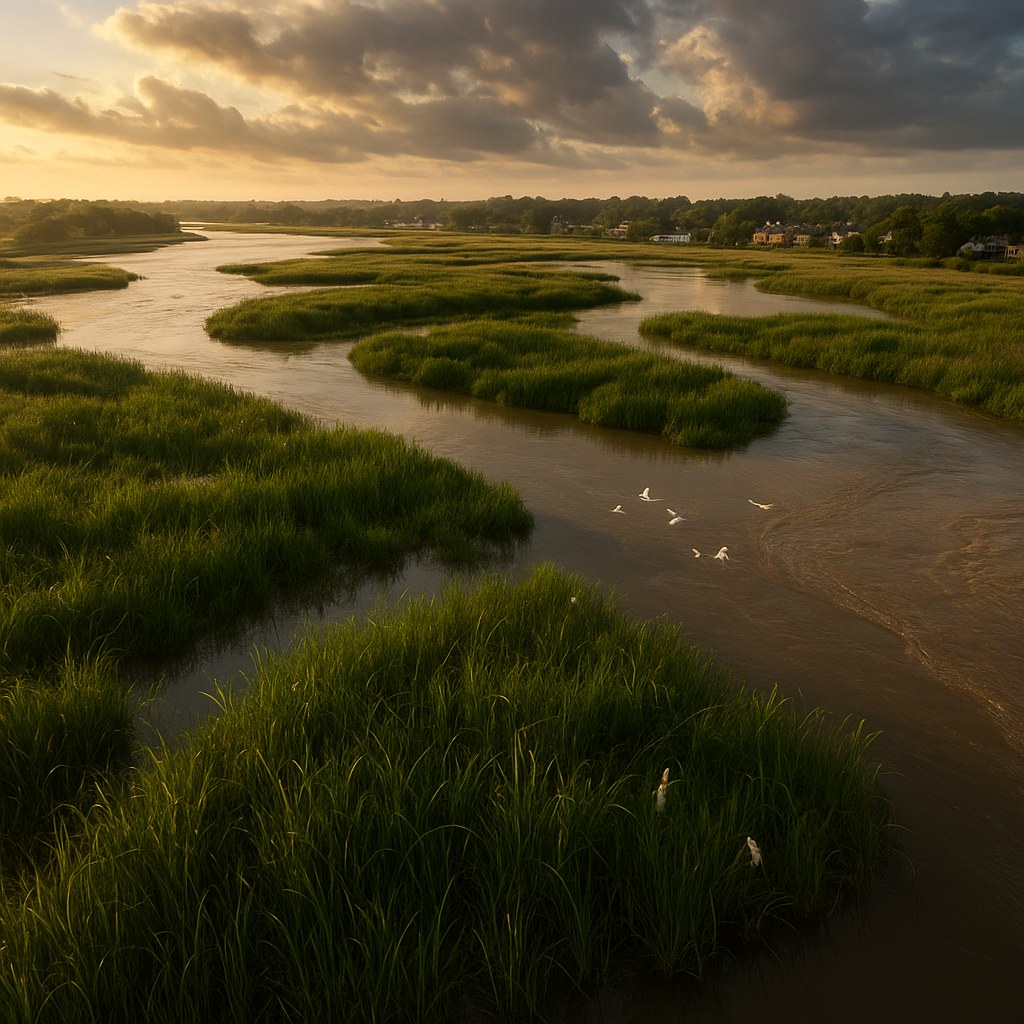
Wetlands function as natural buffers between water sources and developed land. Their flood control capacity comes from a combination of physical characteristics that work together in remarkable ways.
Water Storage Capacity
Think of a wetland as a giant, shallow bowl. During heavy rainfall or snowmelt, wetlands temporarily store enormous volumes of water that would otherwise rush downstream into rivers, streets, and homes. The EPA estimates that a single acre of wetland can hold between 1 and 1.5 million gallons of floodwater. Multiply that across hundreds or thousands of acres, and the scale of protection becomes staggering.
The U.S. Army Corps of Engineers famously calculated that the wetlands along the Charles River in Massachusetts provide flood storage so effective that preserving them was cheaper than building engineered alternatives — a finding that helped launch the modern natural flood management movement in the 1970s.
Slowing Water Movement
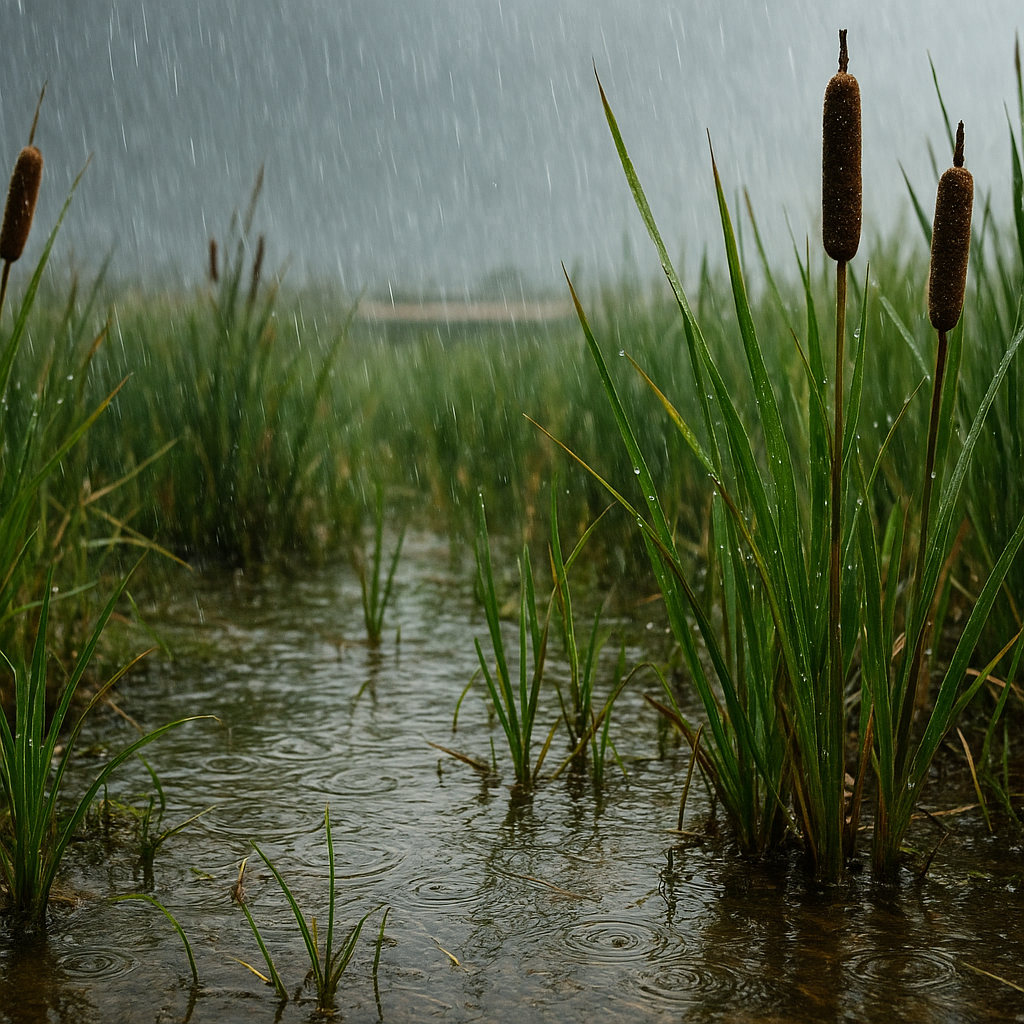
Wetland vegetation — dense stands of cattails, sedges, willows, and other plants — creates friction that dramatically slows the movement of water across the landscape. This delayed flow gives rivers more time to absorb the surge, reducing peak flood heights downstream. In practical terms, this can mean the difference between a river cresting at flood stage and staying within its banks.
Groundwater Recharge and Infiltration
Healthy wetlands allow water to percolate slowly into the soil, recharging groundwater aquifers rather than sending everything rushing to the nearest river. This dual benefit means wetlands help manage floods during wet periods while also sustaining water supplies during droughts.
How Do Wetlands Reduce Flooding and Erosion Together?
Flood damage and erosion are closely linked problems, and wetlands address both simultaneously. When floodwaters move fast, they strip topsoil, collapse stream banks, and destroy infrastructure. By slowing water velocity, wetland vegetation dramatically reduces the erosive power of moving water.
The root systems of wetland plants bind soil together, stabilizing banks and shorelines. Studies have shown that vegetated wetland buffers can reduce bank erosion by up to 80 percent compared to unvegetated channels. In coastal areas, salt marshes and mangrove wetlands absorb wave energy during storm surges, protecting inland areas from the devastating one-two punch of flooding and coastal erosion.
Hurricane Sandy offered a stark, real-world demonstration. Research published after the 2012 storm estimated that coastal wetlands in the northeastern U.S. prevented roughly $625 million in flood damages during that single event. Communities behind healthy salt marshes experienced significantly less damage than those where wetlands had been drained or developed.
The Science Behind Wetland Restoration for Flood Mitigation
Not all wetlands are created equal, and not all restorations deliver the same flood benefits. The science of wetland restoration for flood mitigation involves understanding hydrology, soil science, ecology, and landscape-level planning.
Reconnecting Floodplains
One of the most impactful restoration strategies is reconnecting rivers to their historical floodplains. Over the past two centuries, an estimated 85 percent of the world’s floodplain wetlands have been altered or lost, according to research published in Science. Many rivers have been channelized and leveed into submission, cut off from the natural overflow areas that once absorbed excess water.
Floodplain reconnection projects — such as removing or setting back levees, restoring meanders, and reintroducing seasonal flooding to former wetland areas — have shown remarkable results. In California’s Central Valley, the Yolo Bypass, a restored floodplain system, safely carries floodwater around Sacramento during major storm events, protecting the state capital while also providing critical habitat for migratory birds.
Restoring Hydrological Function
Effective wetland restoration isn’t just about planting water-loving plants. It requires restoring the underlying hydrological processes that make wetlands function. This often involves:

- Removing drainage infrastructure such as agricultural tiles and ditches that were installed to dry out the land
- Regrading topography to recreate the shallow depressions and varied microhabitats that characterize natural wetlands
- Restoring natural water flow patterns by removing berms, filling artificial channels, or reintroducing seasonal water level fluctuations
- Addressing water quality by establishing buffer zones that filter agricultural runoff before it reaches the wetland
Selecting the Right Sites
Location matters enormously. A restored wetland positioned in the upper reaches of a watershed can intercept stormwater before it accumulates into a damaging flood. A wetland restored in a flood-prone area along a major river can absorb overflow before it reaches communities. Strategic site selection — often guided by GIS modeling and hydrological analysis — can maximize flood mitigation returns on restoration investments.
Real-World Examples of Wetland Restoration in Action
The Mississippi River Basin
The Mississippi River Basin has lost more than half of its original wetlands to agriculture and development. The consequences became brutally clear during the Great Flood of 1993, which caused an estimated $15 billion in damages across nine states. In response, numerous wetland restoration projects have been initiated throughout the basin, from the bottomland hardwood forests of Louisiana to the prairie pothole regions of the upper Midwest.
Louisiana’s coastal wetland restoration efforts, driven by the recognition that every 2.7 miles of wetlands reduces storm surge by approximately one foot, represent some of the largest restoration investments in U.S. history. The state’s Coastal Master Plan allocates billions of dollars to rebuilding marshes and barrier islands as a first line of defense against hurricanes and flooding.
The Netherlands: Room for the River
The Netherlands, a country that built its identity on holding back water, has pivoted toward making space for it. The Room for the River program, completed in 2019 at a cost of approximately $3.1 billion, restored floodplains, lowered dikes in strategic locations, and created overflow channels along the Rhine, Meuse, and Waal rivers. The result: reduced flood risk for four million people while simultaneously creating new recreational areas and wildlife habitat.
China’s Sponge Cities Initiative
China has embraced wetland restoration at an unprecedented scale through its Sponge Cities program, which integrates wetlands, green infrastructure, and permeable surfaces into urban design to absorb and manage stormwater. Cities like Wuhan and Zhengzhou have invested heavily in urban wetland parks that serve as flood retention areas during monsoon season while providing public green space year-round.
What Role Do Wetlands Play in Water Filtration?
Beyond flood control, wetlands serve as the planet’s kidneys, filtering pollutants from water as it passes through. This function is directly relevant to flood mitigation because it means that the water stored and slowly released by wetlands is cleaner than the water that entered them.
Wetland plants and the microbial communities living in saturated soils remove excess nitrogen and phosphorus — the nutrients responsible for harmful algal blooms downstream. Research from the EPA indicates that wetlands can remove up to 90 percent of nitrogen and phosphorus from agricultural runoff. They also trap sediments, heavy metals, and pathogens.
This filtration capacity provides enormous economic value. A study published in the Journal of Environmental Management estimated that the water purification services provided by wetlands in the conterminous United States are worth billions of dollars annually. For flood-prone communities, this means that restored wetlands deliver a double benefit: reduced flood risk and improved water quality in the same investment.
How Do Wetlands Reduce Global Warming?
The connection between wetlands and climate change adds another compelling dimension to the flood mitigation argument. Wetlands are among the most carbon-dense ecosystems on Earth, storing an estimated 20 to 30 percent of global soil carbon despite covering only about 6 percent of the land surface.
When wetlands are drained and degraded, they release this stored carbon back into the atmosphere as carbon dioxide and methane, accelerating the warming that drives more extreme weather events, including the very floods that wetlands help mitigate. Conversely, restoring wetlands reactivates their carbon sequestration capacity.
Coastal wetlands — salt marshes, mangroves, and seagrass meadows — are particularly powerful carbon sinks, storing carbon at rates up to 10 times greater than mature tropical forests on a per-acre basis. This “blue carbon” is stored in waterlogged soils where decomposition happens extremely slowly, locking carbon away for centuries or millennia.
The climate connection creates a virtuous cycle: restoring wetlands reduces flood risk, sequesters carbon, and helps moderate the climate change that’s intensifying flood events in the first place.
Challenges and Honest Limitations
As promising as wetland restoration is, it isn’t a silver bullet. An honest assessment requires acknowledging the challenges.
Scale and Space Requirements
Wetlands need room to work. In densely urbanized watersheds where every acre is developed, finding sufficient land for wetland restoration at a meaningful scale can be difficult and expensive. Wetlands alone cannot replace all engineered flood infrastructure — they work best as a complement to, not a complete substitute for, traditional flood management systems.
Time to Maturation
A newly restored wetland doesn’t immediately function like a centuries-old natural wetland. Soil development, plant community establishment, and the accumulation of organic matter take years to decades. While flood storage benefits can be realized relatively quickly once hydrology is restored, the full ecological and water quality benefits take time to develop.
Maintenance and Adaptive Management
Restored wetlands require ongoing monitoring and sometimes intervention. Invasive species can colonize disturbed sites. Sediment accumulation can gradually reduce water storage capacity. Changing precipitation patterns due to climate change may alter the hydrological regime that a restoration was designed around. Successful long-term wetland restoration programs build in adaptive management frameworks that allow for course corrections over time.
Economic and Political Hurdles
Converting agricultural land back to wetland, even voluntarily and with compensation, can face resistance from landowners and communities. The upfront costs of restoration can be substantial, even if long-term benefits outweigh them. Securing funding across political cycles remains a persistent challenge for large-scale restoration programs.
How Communities Can Support Wetland Restoration
The evidence is clear that wetland restoration works as a flood mitigation strategy, but scaling it up requires action at multiple levels. Individuals looking to reduce their environmental footprint can also explore practical sustainable living strategies that complement larger restoration efforts.
- Support local and state wetland protection ordinances that prevent further wetland loss and encourage restoration
- Advocate for nature-based solutions in municipal flood planning, including wetland restoration alongside traditional infrastructure
- Participate in voluntary conservation programs such as the USDA’s Wetland Reserve Easements program, which compensates landowners for restoring and protecting wetlands
- Stay informed about local watershed planning and engage in public comment processes that shape land use and flood management decisions
- Support research and monitoring that helps refine restoration techniques and demonstrate the economic value of wetland ecosystem services
The Economic Case: Wetlands vs. Concrete
When communities compare the costs of wetland restoration to traditional gray infrastructure, the numbers increasingly favor nature. A landmark study published in Nature Communications found that maintaining and restoring coastal wetlands was cost-effective for flood risk reduction across large portions of the U.S. Gulf and Atlantic coasts. For businesses and organizations looking to integrate nature-based approaches, building a sustainable strategy that works often includes supporting wetland conservation.
The World Bank estimates that natural infrastructure solutions — including wetland restoration — can deliver flood protection at 30 to 70 percent of the cost of purely engineered alternatives, while providing co-benefits like recreation, habitat, water quality improvement, and carbon storage that concrete simply cannot match.
Insurance companies are taking notice too. Some insurers are beginning to factor wetland and natural infrastructure into their risk models, recognizing that properties behind healthy wetland buffers face genuinely lower flood risk.
Conclusion: Nature’s Flood Defense, Proven but Undervalued
So, can nature do the work? The evidence says yes — with important caveats. Wetland restoration is not a replacement for all engineered flood infrastructure, but it is a powerful, cost-effective, and multi-benefit tool that deserves a central place in every community’s flood mitigation strategy.
Wetlands store floodwater, slow destructive flows, reduce erosion, filter pollutants, sequester carbon, and support biodiversity — all in a single ecosystem. The track record, from the Yolo Bypass to the Netherlands’ Room for the River, demonstrates that investing in nature pays measurable dividends in reduced flood damages and enhanced community resilience.
The question is no longer whether wetland restoration works for flood mitigation. The question is whether communities, governments, and landowners will invest in it at the scale the challenge demands. As extreme weather intensifies and the limitations of purely engineered solutions become clearer, the case for letting nature do what it does best has never been stronger.