

Walk along almost any beach on Earth and you will find plastic. Not just the bottles and bags visible to the naked eye, but millions of microscopic fragments hiding in the sand beneath your feet. These tiny particles, known as microplastics, have infiltrated every corner of the ocean — from the sunlit surface waters of tropical seas to the crushing darkness of the Mariana Trench. And they are doing far more than simply floating around as unsightly debris. Microplastics are fundamentally altering the rules that govern marine biodiversity, reshaping food webs, disrupting reproduction, and forcing entire ecosystems to adapt or collapse.
For decades, scientists understood ocean biodiversity through the lens of temperature, salinity, nutrient availability, and predation. Now, a new variable has entered the equation, one that no marine organism evolved to handle. Understanding how microplastics are quietly rewriting the rules of life in our oceans is not just an academic exercise — it has profound implications for global food security, coastal economies, and human health.
What Are Microplastics and Where Do They Come From?
Microplastics are defined as plastic particles smaller than five millimeters in diameter — roughly the size of a sesame seed or smaller. They fall into two broad categories. Primary microplastics are manufactured at microscopic sizes, including microbeads once commonly used in personal care products, industrial abrasives, and pre-production plastic pellets known as nurdles. Secondary microplastics result from the breakdown of larger plastic items through UV radiation, wave action, and physical abrasion.
The sources are remarkably diverse. A single load of synthetic laundry can release hundreds of thousands of microfibers into wastewater. Tire wear on roads generates an estimated 6 million tonnes of particles globally each year, much of which eventually washes into rivers and oceans. Agricultural plastics, fishing gear, paint from ships and buildings, and even atmospheric deposition all contribute to the growing burden.
The scale is staggering. According to research published in PLOS ONE, an estimated 5.25 trillion plastic particles weighing nearly 270,000 tonnes are floating on the ocean surface alone. That figure does not account for the particles that have sunk to the seafloor, become trapped in Arctic sea ice, or accumulated within marine organisms.
How Microplastics Enter the Marine Food Web
It Starts at the Bottom
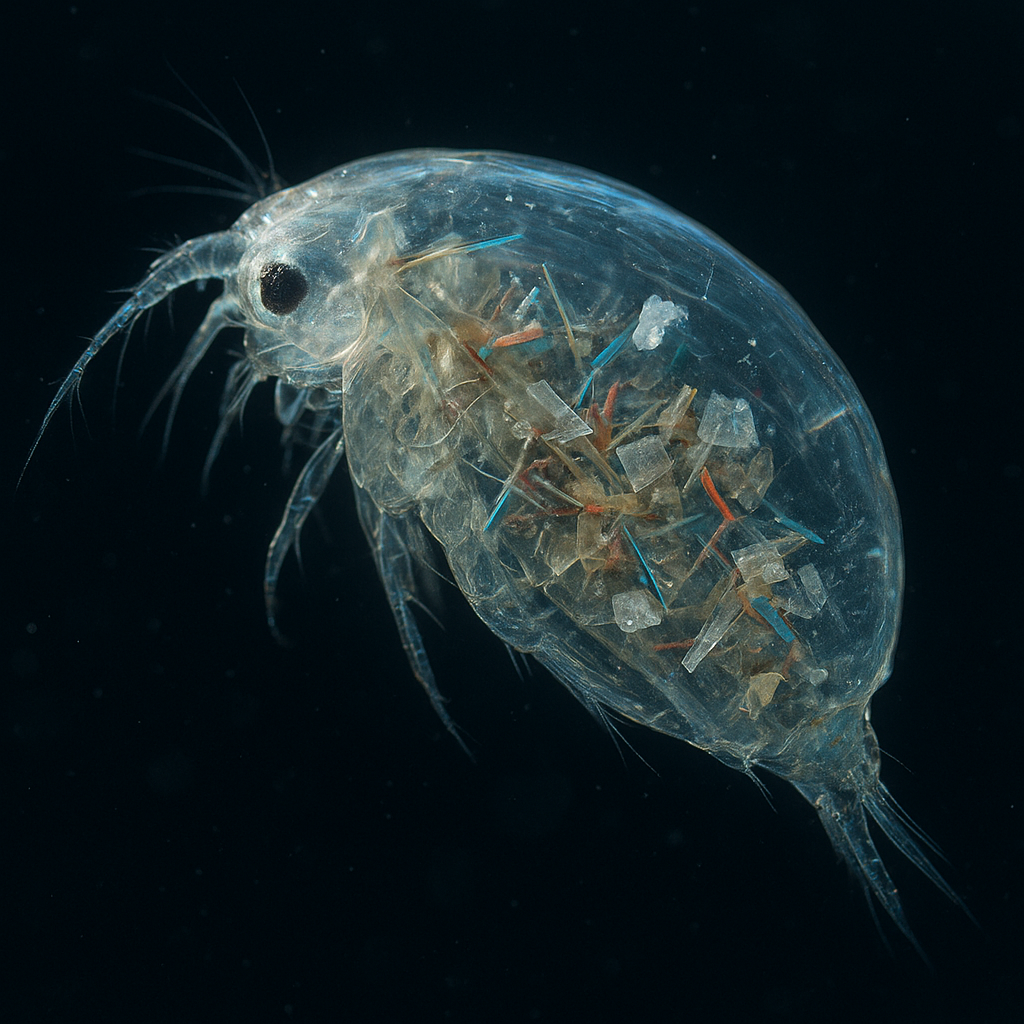
The most insidious aspect of microplastic pollution is how it infiltrates the very foundation of marine food webs. Zooplankton, the tiny drifting organisms that form the critical link between phytoplankton and larger animals, mistake microplastic particles for food. Laboratory studies have shown that copepods, krill, and other zooplankton readily ingest microplastics, and when they do, their energy intake drops because plastic provides no nutritional value.
A study published in Environmental Science & Technology found that krill exposed to microplastics consumed significantly less algae than unexposed individuals. This is alarming because krill are the primary food source for whales, seals, penguins, and countless fish species in the Southern Ocean. If the foundation of the food web weakens, the effects ripple upward through every trophic level.
Bioaccumulation and Biomagnification
When small organisms ingest microplastics and are then eaten by larger predators, the particles accumulate through the food chain — a process called bioaccumulation. Perhaps more concerning is biomagnification, where concentrations of plastic-associated chemicals increase at each successive trophic level. Microplastics are not inert. They act as sponges for persistent organic pollutants (POPs) like PCBs, DDT, and PAHs, concentrating these toxins at levels up to a million times higher than the surrounding seawater.
By the time a large predator like a tuna or swordfish consumes prey contaminated with microplastics, it is also consuming a concentrated cocktail of hazardous chemicals. Research from the University of California, Davis, found microplastics in roughly 25% of fish sold at seafood markets in California and Indonesia, raising serious questions about food safety for the billions of people who depend on fish as their primary protein source.
The Direct Effects on Marine Life
Physical Harm
Ingested microplastics cause direct physical damage to marine organisms. Sharp fragments can lacerate internal tissues, block digestive tracts, and create a false sense of satiety that leads to starvation. Seabirds are particularly vulnerable. A landmark study by CSIRO estimated that 90% of seabirds have ingested plastic at some point in their lives, and projected that this figure would reach 99% by 2050 if current trends continue.
Sea turtles present another heartbreaking example. These ancient mariners have survived mass extinctions, but research from the University of Exeter found microplastics in the gut of every single turtle examined across three ocean basins — 102 turtles from seven species. Fibers from clothing and fishing line were among the most common types found.

Chemical Toxicity
Beyond physical obstruction, microplastics release chemical additives that were incorporated during manufacturing. Phthalates, bisphenol A (BPA), flame retardants, and other plasticizers can leach out in the warm, acidic environment of an animal’s gut. Many of these compounds are endocrine disruptors, meaning they interfere with hormone systems that regulate growth, reproduction, and behavior.
In fish, exposure to these chemicals has been linked to reduced fertility, altered sex ratios, developmental abnormalities, and impaired immune function. A study published in Science demonstrated that perch larvae exposed to microplastics not only preferred eating plastic over their natural food but also suffered stunted growth and increased mortality rates.
Behavioral Changes
Perhaps the most underappreciated impact of microplastics is their effect on behavior. Research has shown that fish exposed to microplastics exhibit altered feeding patterns, reduced predator avoidance, and decreased swimming activity. Hermit crabs exposed to polyethylene microplastics took significantly longer to select and enter a new shell — a behavior critical for their survival. These subtle behavioral shifts can have outsized consequences for population dynamics and ecosystem balance.
How Microplastics Are Rewriting Biodiversity Rules
Creating New Habitats: The Plastisphere
One of the most fascinating and troubling discoveries of the past decade is the “plastisphere” — the community of microbes, algae, and small invertebrates that colonize the surface of floating plastic debris. This artificial ecosystem, first described in a 2013 study in Environmental Science & Technology, supports communities fundamentally different from those found on natural floating debris like wood or seaweed.
The plastisphere has become a vector for invasive species. After the 2011 Tohoku earthquake and tsunami in Japan, researchers documented 289 species that survived a trans-Pacific journey on plastic debris, arriving alive on the shores of North America. Plastic’s durability makes it a far more effective long-distance raft than any natural material. This unprecedented ability for species to cross ocean barriers threatens to homogenize marine biodiversity, introducing predators, competitors, and pathogens to ecosystems that have no defenses against them.
Shifting Species Composition
Microplastics do not affect all species equally. Organisms with indiscriminate feeding strategies — filter feeders like mussels, oysters, and baleen whales — tend to accumulate higher concentrations of microplastics than selective feeders. This differential exposure creates uneven selection pressure across marine communities, potentially favoring species that can tolerate or avoid plastic ingestion while disadvantaging those that cannot.
Over time, this selective pressure may shift species composition in ways that reduce overall biodiversity and ecosystem resilience. Communities dominated by plastic-tolerant generalist species are less likely to perform the diverse ecological functions — nutrient cycling, habitat engineering, food provision — that healthy marine ecosystems require.
Impacts on Coral Reefs
Coral reefs, already reeling from ocean warming and acidification, face an additional threat from microplastics. Research published in Science found that corals preferentially consume microplastic particles over their natural food, likely because the plastics carry chemical cues that mimic prey. Once ingested, the plastics can become lodged in coral tissue, causing inflammation and reducing energy available for growth and reproduction.
A subsequent study estimated that corals in contact with plastic debris had an 89% likelihood of disease, compared to just 4% for plastic-free corals. Given that coral reefs support approximately 25% of all marine species despite covering less than 1% of the ocean floor, microplastic-driven reef decline could trigger cascading biodiversity losses across entire ocean regions.
Implications for Human Health
The impact of microplastics on marine ecosystems does not stop at the water’s edge. Microplastics have been detected in seafood, sea salt, and even drinking water. While research on human health effects is still in its early stages, studies have confirmed that microplastics can cross biological barriers. Particles smaller than 150 micrometers may be absorbed through the gut lining, and the smallest particles — nanoplastics — can potentially enter cells and tissues.
The chemical additives carried by microplastics are a significant concern. Endocrine disruptors like BPA and phthalates have been linked to reproductive disorders, developmental problems, and metabolic diseases in animal studies. The World Health Organization has called for urgent research to fill critical knowledge gaps about the long-term health consequences of microplastic exposure through food and water.
What Can Be Done?
Policy and Regulation
Several countries and regions have taken steps to address microplastic pollution. The United States passed the Microbead-Free Waters Act in 2015, banning plastic microbeads in rinse-off cosmetics. The European Union has proposed broader restrictions on intentionally added microplastics. In 2022, the United Nations Environment Assembly adopted a historic resolution to develop a legally binding global treaty on plastic pollution by 2024.
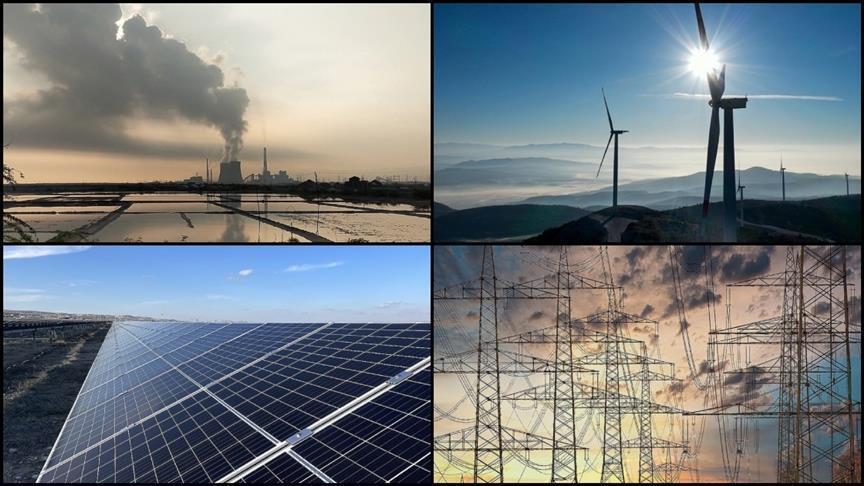
Effective policy requires a lifecycle approach — addressing plastic production, product design, waste management, and environmental cleanup simultaneously. Extended producer responsibility programs, which hold manufacturers accountable for the end-of-life impact of their products, are gaining traction as a model for reducing plastic waste at its source. Broader shifts toward cleaner energy and materials can also reduce the petrochemical demand that drives virgin plastic production.
Individual Actions
While systemic change is essential, individual choices do matter. Here are practical steps that collectively reduce microplastic inputs:
- Choose natural-fiber clothing — cotton, wool, hemp, and linen shed biodegradable fibers rather than persistent synthetic microplastics
- Install a washing machine filter — devices like the Cora Ball or external filters can capture up to 90% of microfibers before they enter wastewater
- Reduce single-use plastics — carry reusable bags, bottles, and containers to minimize demand for disposable plastic products
- Support plastic-free personal care — check product labels for polyethylene, polypropylene, or polymethyl methacrylate
- Drive less — tire wear is one of the largest sources of microplastic pollution, so walking, cycling, or using public transit directly reduces this input
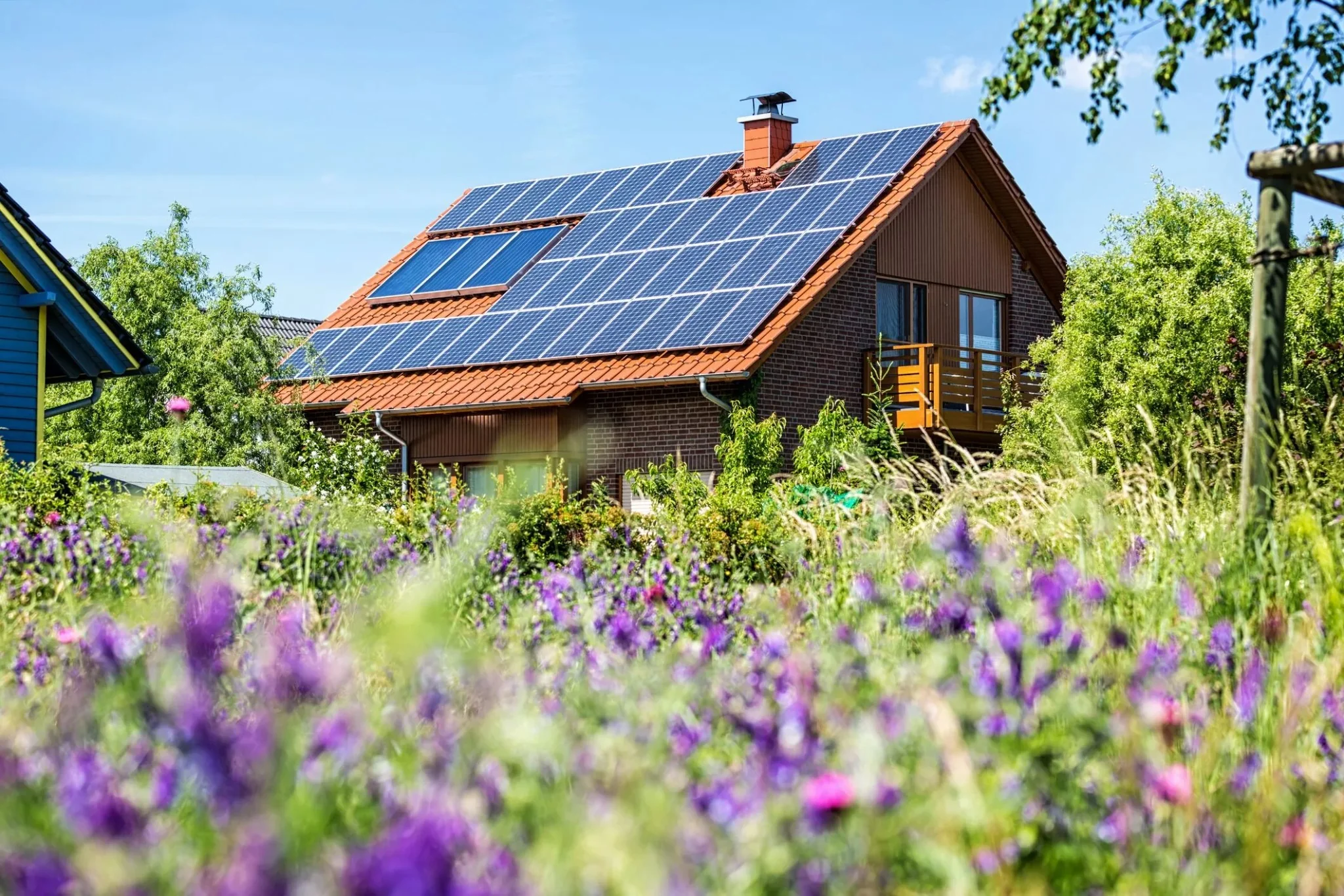
For a broader look at reducing your environmental footprint beyond plastic, explore these practical ways to create an eco-friendly home.
Innovation and Cleanup
Technological solutions are emerging alongside policy efforts. Researchers are developing biodegradable alternatives to conventional plastics made from materials like algae, mycelium, and bacterial cellulose. Improved wastewater treatment technologies can capture microplastics before they reach waterways. Organizations around the world are deploying river barriers and collection systems to intercept plastic debris upstream, before it fragments into microplastics in the ocean.
Conclusion
Microplastics represent one of the most pervasive and least reversible forms of environmental contamination humanity has created. They are not simply passive debris — they actively alter the behavior, physiology, and survival of marine organisms at every level of the food web. From zooplankton to whales, from coral reefs to the deep sea, no corner of the ocean remains untouched.
The evidence is clear that microplastics are rewriting the fundamental rules of marine biodiversity. They create novel habitats that facilitate invasive species spread, impose differential selection pressures that shift community composition, introduce toxic chemicals into food webs, and compound the existing stresses of climate change and overfishing. The consequences extend beyond ocean health to human food security and wellbeing.
Addressing this crisis requires coordinated action across every level of society — from international treaties and corporate accountability to technological innovation and individual consumer choices. The ocean’s biodiversity has been shaped by millions of years of evolution. Whether it can withstand this new, plastic-dominated chapter depends on the choices made today.